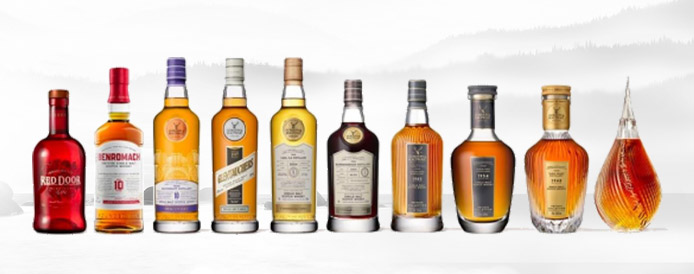
What is the difference between OB and IB?
Differences Between Official Bottling (OB) and Independent Bottling (IB)
Official Bottling (OB) means whisky is bottled and sold directly by the distillery. Independent Bottling (IB) refers to whisky bottled and sold by third-party bottlers rather than distilleries.
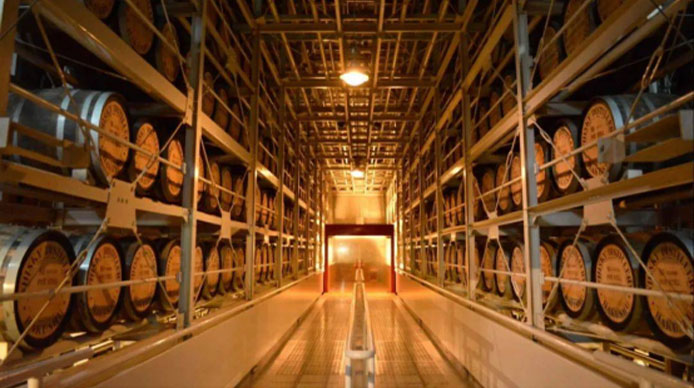
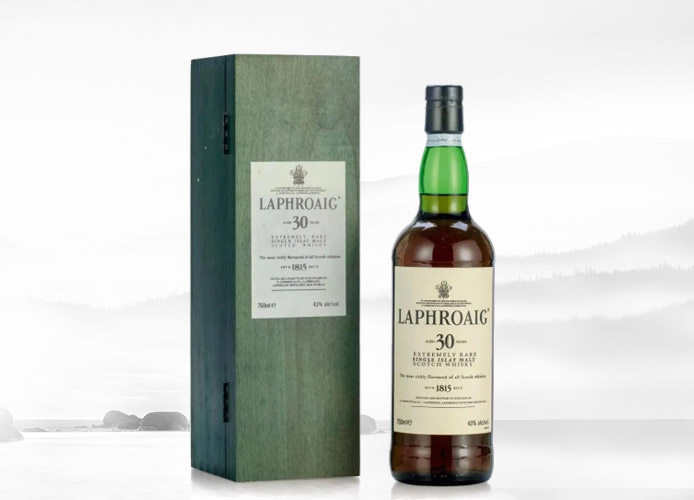
OB stands for Official/Original Bottling. It refers to whisky produced, bottled and sold independently by a single distillery.
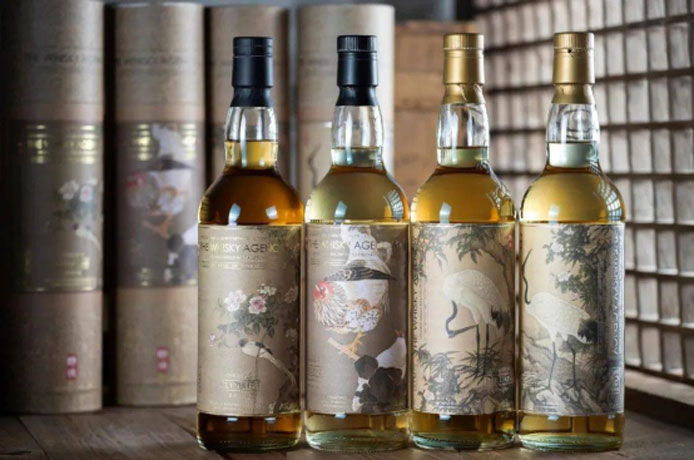
IB stands for Independent Bottling or Independent Bottler. Independent bottlers do not own distilleries and cannot produce raw spirits. They purchase raw whisky from distilleries, then mature, blend and bottle the liquor in their own cellars, and sell products under their own brands with distinctive personalized styles.
Looking back at the early history of Scotch whisky in the 19th century, the glass industry was underdeveloped and glass bottles were expensive. Without proper containers, distilleries did not sell whisky directly to consumers. Instead, they sold liquor by cask to grocers and wine merchants across Scotland. The casks were small, ranging from 30 liters to 100 liters. Customers could drink on-site or bring personal containers to buy liquor, similar to buying condiments in bulk in old grocery stores.
Spirits sourced from different distilleries varied greatly in quality, and each cask had unstable taste controlled entirely by middlemen. Reputable merchants started blending multiple whiskies to stabilize product quality.
Reasons Why Distilleries Sell Spirits to IB Bottlers
Firstly, distilleries save bottling procedures and cut operational costs. Secondly, some finished spirits fail to meet the preset flavor standards. Distilleries sell such liquor externally to maintain consistent flavor of their official product lines.
Cadenhead's, founded in Aberdeen in 1842, is regarded as the oldest existing independent bottler. Blended whisky was not legalized at that time. Established in 1698, Berry Bros. & Rudd (BBR) has an earlier founding date. It originally traded wine, tea, cocoa and spices, and launched Cutty Sark blended whisky for the Prohibition-era US market in 1923.
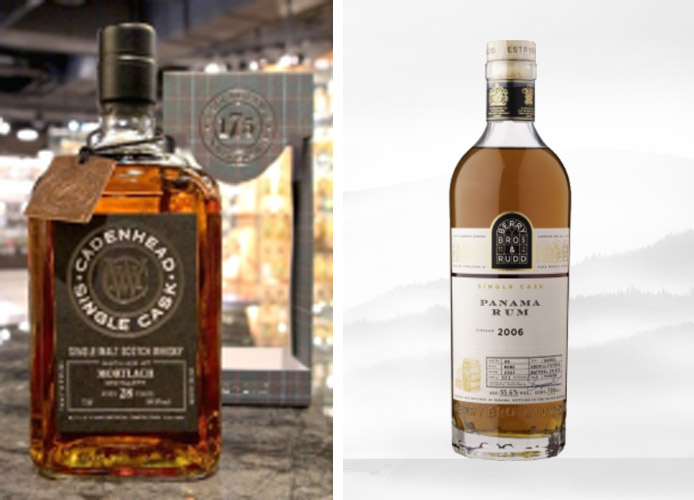
Founded in 1895, Gordon & MacPhail still runs a traditional grocery store in Elgin, Scotland. It released bottled spirits from designated distilleries long before the concept of single malt whisky came into being, known as quasi single malt back then. Nowadays, countless independent bottlers operate in the market.
The classification of OB and IB took shape in the 1960s, when distilleries began self-bottling and self-selling. At present, official OB product ranges keep expanding, while numerous IB releases dominated by single cask variants are launched every year. IB whiskies are more affordable even with the same age statement, and their flexible product portfolio keeps pace with market trends, attracting plenty of whisky enthusiasts and novelty seekers.
To distinguish from official products, IB labels are subject to certain restrictions. Distillery names can usually be printed clearly, while a few distilleries prohibit bottlers from using exclusive logos, emblems, patterns and fonts to avoid confusion.
Common Independent Bottlers in the Market
Adelphi, Blackadder, Chieftain's, Coopers Choice, Douglas Laing, Duncan Taylor, Exclusive Malts, Hart Brothers, John Milroy, Murray McDavid, Signatory, The Scotch Malt Whisky Society (SMWS), Wilson & Morgan, The Whisky Exchange; La Maison du Whisky (France), Kingsbury (Japan), Samaroli (Italy), The Whisky Agency (Germany), The Nectar (Belgium).