
How to Read a Whisky Label ?
When buying whisky, relying only on the text on the outer box is not enough. To understand a whisky in more detail, you need to carefully read the label on the bottle, as it contains important data and information.

Now let’s take a closer look at the label of the Springbank whisky below.

First, in the center of the label, we can see the brand name Springbank, with the logo underneath. Below the logo, it indicates cask strength.

Next, we can see the age statement: AGED 12 YEARS, which means this whisky has been aged for 12 years. However, not all whiskies carry an age statement. These are known as no-age-statement whiskies.
Why do no-age-statement whiskies exist? With the rapid growth of global whisky sales, the supply of well-aged whisky has gradually decreased, forcing distilleries to blend younger whisky with older whisky. However, the age shown on the bottle must refer to the youngest whisky in the bottle. For example, if the youngest whisky is 8 years old, the bottle may actually contain more than 60% older whisky. In such cases, an age statement may not accurately reflect the true composition of the whisky, so no-age-statement whiskies have gradually become common in the market.
Does this mean no-age-statement whisky is inferior to age-statement whisky? In fact, some no-age-statement whiskies from Scotland’s Isle of Islay and Japan can even outperform whiskies of the same age. Of course, this also depends on the distillery’s techniques and craftsmanship.
The line below the age statement, CAMPBELTOWN, refers to Campbeltown, one of Scotland’s six major whisky regions. The line below that, SINGLE MALT SCOTCH WHISKY, indicates that this whisky is a single malt Scotch whisky.
Usually, the bottom of a whisky label will indicate the bottle volume and alcohol strength. On the lower left of this Springbank label, it says 70cl, which means the bottle contains 700 milliliters.
If the alcohol strength is above 50% vol, it may indicate that the whisky is a cask strength whisky, as mentioned earlier. As for other units, Proof refers to alcohol proof, while ABW refers to alcohol by weight.
In addition, the label may contain other information, such as cask number, production method such as small batch or single cask, and whether coloring has been added, such as natural color. Understanding this information can help you better understand the whisky.
Summary of Common Information on Whisky Labels
-
Cask Strength
This means the whisky has not been diluted with water before bottling. Its alcohol content is usually above 50%, and the original cask number is often stated. -
Small Batch
Several casks of whisky at a similar maturation stage, ranging from two or three to more than ten casks, are selected and blended into a limited-edition whisky. The purpose is to highlight the unique character of each batch. This practice is quite common in the United States. -
Single Cask
This means the whisky was bottled from a single cask. The original cask number and bottling date are usually clearly stated. -
Natural Color
This means no coloring has been added, and the color comes purely from the wooden cask. -
Double Cask / Triple Wood
As the name suggests, double cask whisky refers to whisky matured in two types of oak casks. Distilleries usually mature the whisky in one type of oak cask for a period of time, then transfer it to another cask for further maturation. The second maturation can last for a few days, several months, or even years, adding subtle flavors and layers to the whisky. This method is also known as cask finishing or wood finishing. Similarly, Triple Wood means the whisky has been matured or finished in three different types of casks. -
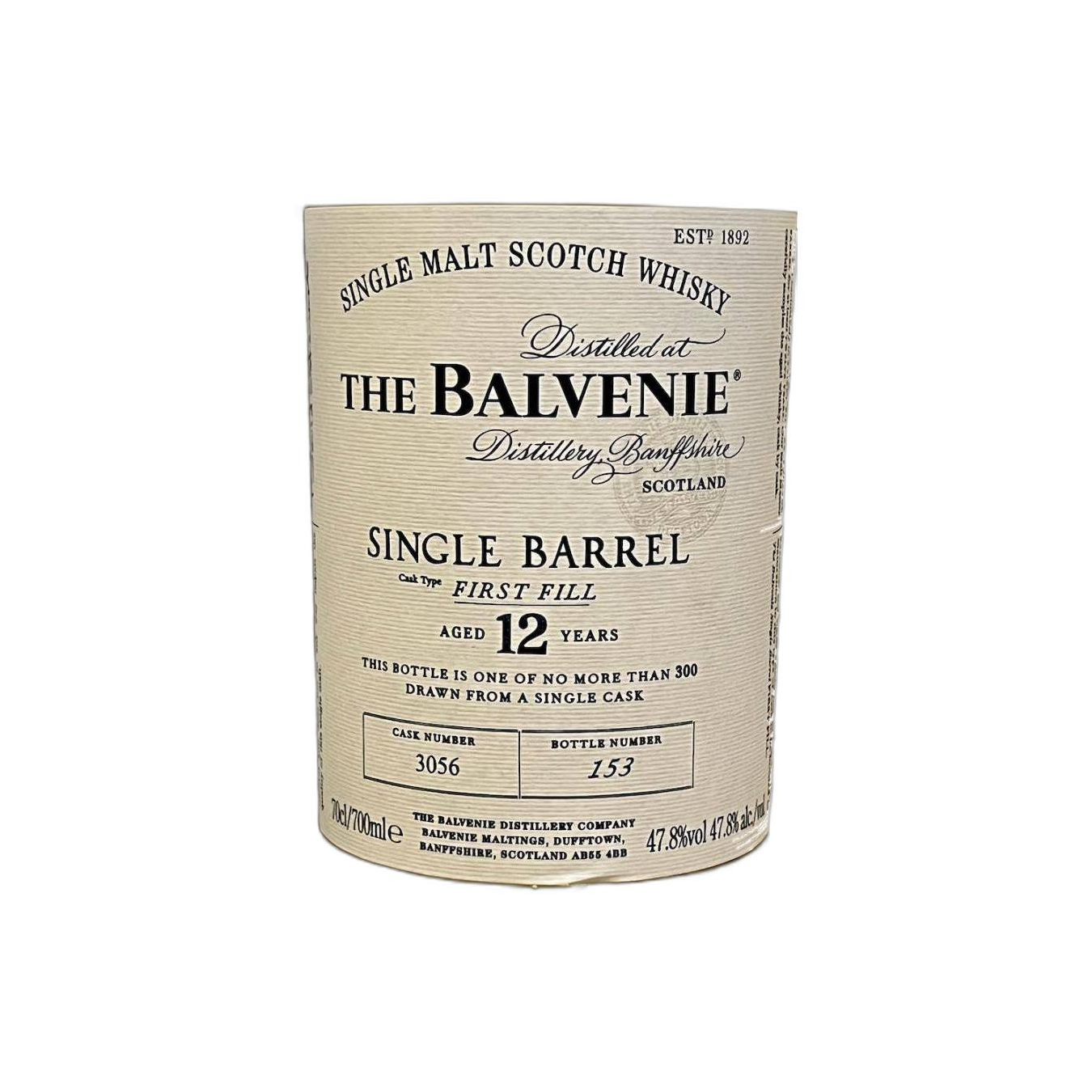
First Fill
This means the whisky was matured in first-fill bourbon or sherry casks. Whisky matured this way usually has a stronger aroma and darker color, and is often more expensive, especially when sherry casks are used.
-
Official Bottling (OB) and Independent Bottling (IB)
Whisky bottling methods generally fall into two categories. Official bottling, or OB, refers to whisky sold directly by the distillery, while independent bottling, or IB, refers to whisky sold by independent bottlers. We will introduce the differences between these two bottling methods in detail later.
Finally, let’s enjoy some whisky labels together!


